Although the Affordable Connectivity Program (ACP) has ended, you can still access free or low-cost internet and hotspot devices through other federal initiatives and private sector programs. For many low-income families in the United States, government programs have helped make internet access affordable, and even free in some cases.
Yes, eligible households can still access free hotspot devices with unlimited data or a high data allowance in 2026 through programs like Lifeline, SafeLink, and some Verizon initiatives. These devices provide portable Wi-Fi for families, seniors, and students who receive benefits from SNAP, Medicaid, or other assistance programs.
Federal Lifeline Program
The FCC launched the Lifeline program in 1985 as a publicly funded program to bridge the digital divide, providing essential telecommunications support to eligible Americans.
It ensures that all Americans, including those facing financial hardship, can communicate with loved ones through reliable phone service.
To do this, the program offers a monthly discount of up to $9.25 on internet service, phone service, or a combined plan (not both). For individuals living on tribal lands, the monthly discount increases to $34.25.
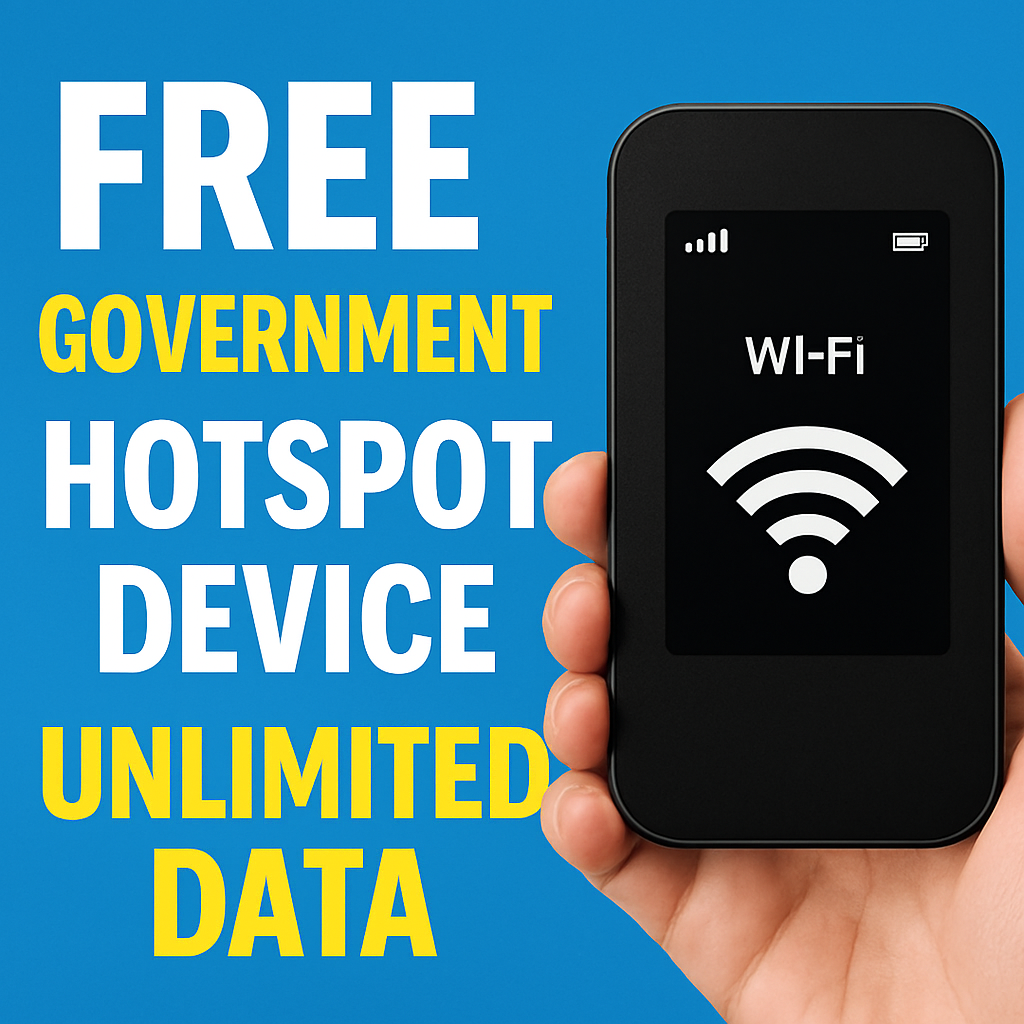
Additionally, through authorized providers such as TAG Mobile, AirTalk Wireless, etc., eligible members can access low-cost or free communication services, including a free mobile hotspot device with unlimited data.
T-Mobile Project 10Million
One significant program that still offers free mobile hotspot devices with data is T-Mobile’s Project 10Million.
This program provides a free mobile hotspot device (a small device that creates a Wi-Fi network) and free data each year for up to five years to eligible families of K-12 students.
Project 10Million Benefits
- Free mobile hotspot device
- 200 GB of free internet data per year (which renews each year for up to five years)
- Works on the T-Mobile network
- No need to be a T-Mobile customer
Apply or learn more here: https://www.t-mobile.com/brand/project-10-million
You will receive a free mobile hotspot device and 200 GB of free data each year for five years.
K-12 students who participate in the National School Lunch Program (NSLP) or other assistance programs are eligible for this program.
Parents can apply directly via the Project 10Million website.
Read Also: How Can I get Free Internet with Food Stamps?
Internet providers offering free hotspots
Several internet and phone providers participate in the ACP program and offer free Wi-Fi hotspots with unlimited data. Here are some of the best options in 2025:
AirTalk Wireless
Wi-Fi Hotspot: Yes (MiFi)
Data: Unlimited high-speed data (throttled after 25-30 GB)
Additional Benefit: Free smartphones and tablets with ACP
How to Sign Up: www.airtalkwireless.com
Q Link Wireless
Wi-Fi Hotspot: Available with select plans
Data: Unlimited (throttled after a certain threshold)
Additional Features: Free SIM card, no monthly bill
Website: www.qlinkwireless.com
Maxsip Telecom
Wi-Fi Hotspot: Yes (free activation or $20)
Data: Unlimited with ACP enrollment
Usage: Streaming, studying, telemedicine
Website: www.maxsipconnects.com
StandUp Wireless
Wi-Fi Hotspot: Yes (included with some plans)
Data: Unlimited or up to 10-20 GB of high-speed data
Includes: Smartphone or tablet option
Website: www.standupwireless.com
Other Notable Programs
In addition to T-Mobile’s initiatives, several other programs offer free or discounted internet service to eligible individuals:
Verizon Internet + Lifeline Program: Verizon offers additional discounts to Lifeline participants, combining the $9.25 Lifeline discount with a $20 credit toward their Fios internet plan.
NetZero: Offers a free dial-up internet plan for low-income users, allowing them to access basic internet for essential activities.
Altice USA: Provides free internet access for the first 60 days, followed by discounted rates for students, teachers, and low-income families. Participants receive a free smart router and modem, as well as a low installation fee.
AT&T Access Program: Offers affordable internet access to families participating in SNAP, SSI, or other government programs. Eligible families pay between $5 and $10 per month for high-speed internet and receive a free modem and installation.
Public and Local Initiatives
Libraries and Schools: Many public libraries and local school districts have Wi-Fi hotspot lending programs that provide free devices for a semester or a year.
PM-WANI (India Specific): If you are in India, the PM-WANI program facilitates public Wi-Fi hotspots, although these are typically pay-per-use rather than providing a free physical device for home use.
Read More: How to Get Spectrum Free Internet for Low Income
Tips for Making the Most of a Free Government Wi-Fi Hotspot Device
Now you understand the importance of a free mobile hotspot device and legitimate ways to get one. But did you know you can get even more benefits?
By applying for the Lifeline program through a trusted service provider like TAG Mobile, you can get the following with your Lifeline plan:
- Low-cost or free government phone or tablet
- Up to 16 GB of high-speed data
- Unlimited talk and text
- Free international calls to over 200 countries
- Reliable nationwide coverage
- Efficient customer support, etc.
Conclusion
In 2026, households receiving SNAP and Medicaid will still be able to access free government Wi-Fi hotspot devices with unlimited or high data limits through the SafeLink, Verizon, and Lifeline programs. These initiatives remain crucial in bridging the digital divide and empowering underserved communities.